Your Questions, Answered
-
Almost all old buildings were built using lime, until around 1920 when the widespread use of cement and gypsum was introduced. Although slower to build with and requiring specialist knowledge and skill, lime allows buildings to ‘breathe’ by the natural evaporation of moisture, due to the porous nature of the mortar. Lime also allows for the natural movement of the building as it is softer and more flexible than modern, cement based materials.
-
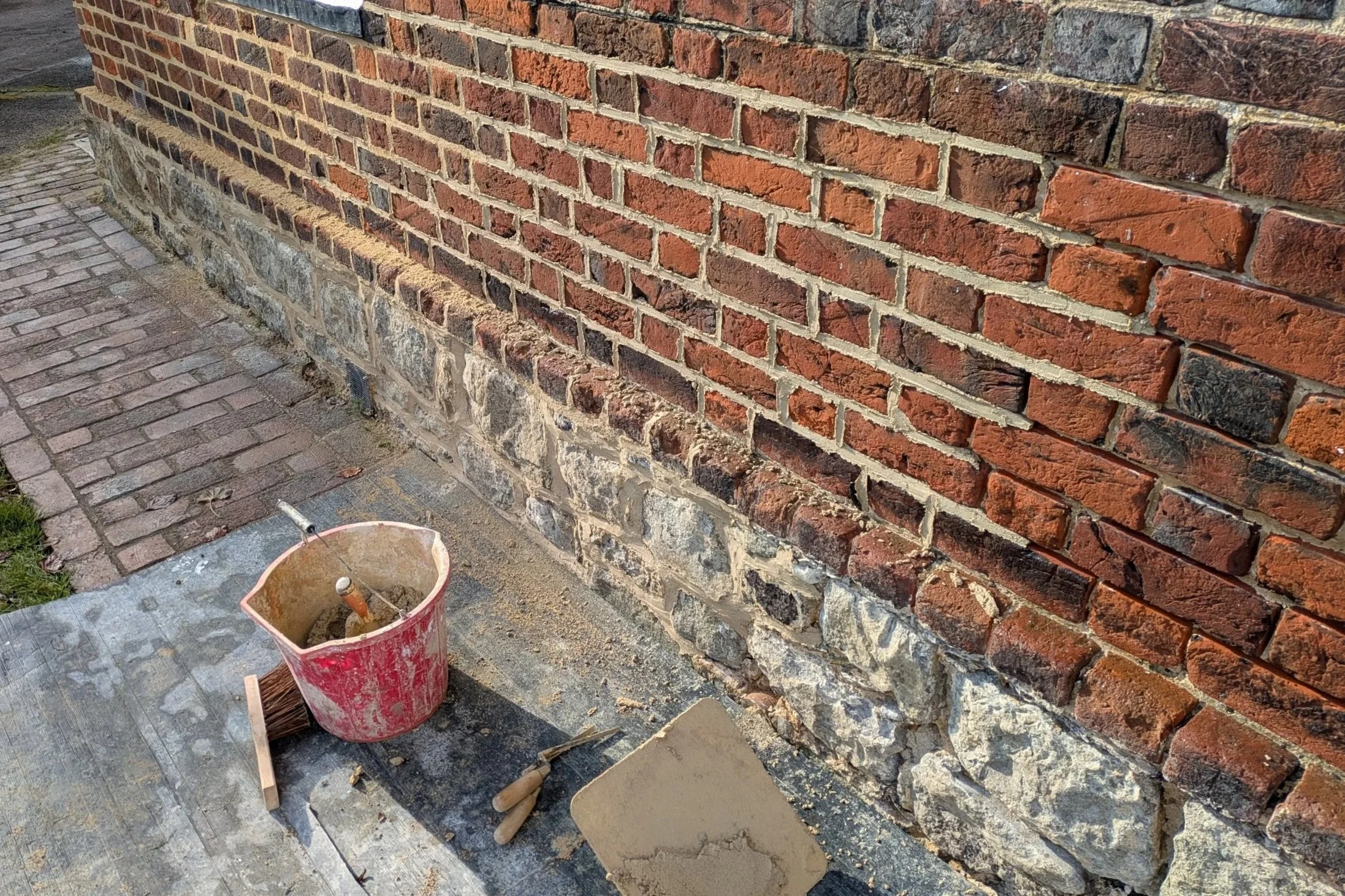
We offer a range of services, all using traditional lime mortars and plasters. They include repointing, plastering, brickwork and masonry repairs, restorative building work and facade restorations.
-
The idea that old buildings are naturally damp is not true. It is the improper use of modern materials, such as cement, gypsum plaster and plastic paints that cause damp issues. Due to their impervious nature, they trap moisture inside the walls and ultimately cause damage to the building. This may show itself as condensation on windows or walls, flaking paint and plaster or crumbling masonry.
-
Yes. Although most older buildings have had some modern materials applied to them, you can alleviate damp problems by replacing them with lime based materials. For example, removing cement based pointing from masonry and repointing with lime mortar. Or, removing gypsum plaster and plastering with lime.